
Healthcare
AI in Healthcare: Promise and Caution
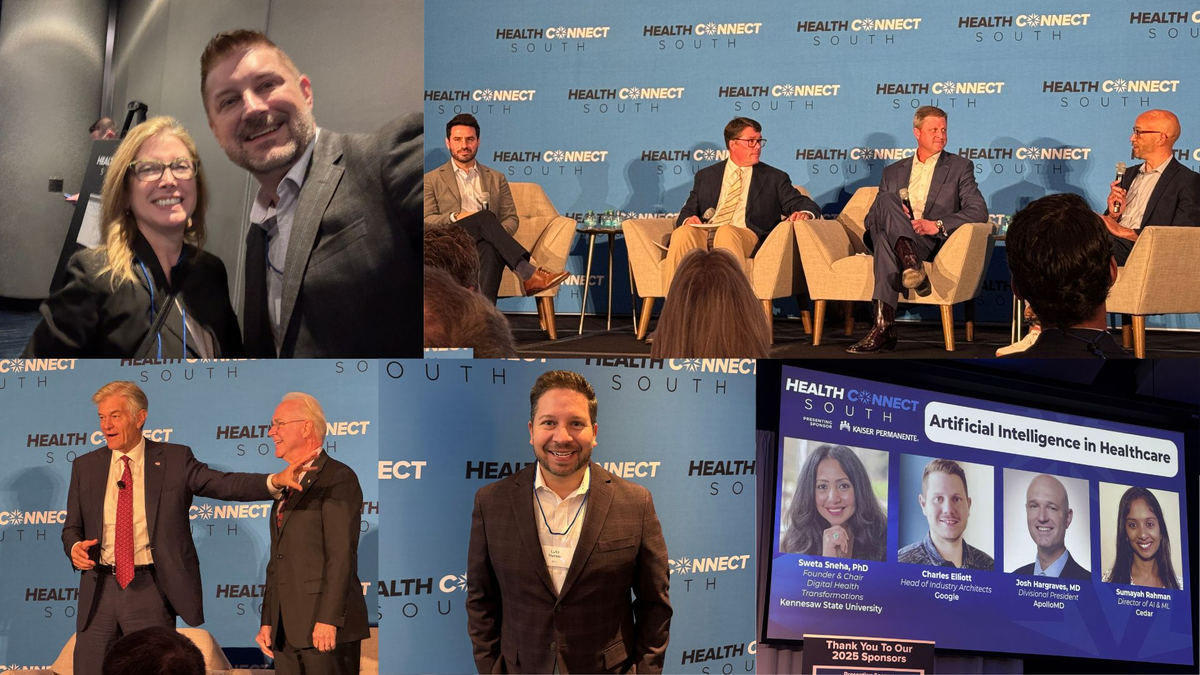
The Artificial Intelligence in Healthcare panel brought together diverse voices:
Josh Hargraves, MD, Divisional President at ApolloMD, underscored the importance of easing physician workflows. He pointed to digital scribes and ambient listening tools as meaningful innovations. These tools contrast sharply with electronic medical records that often turn doctors into “data entry points.”
Charles Elliott, Head of Industry Architects at Google, described how AI is already helping with the synthesis of research, imaging, and patient outreach. He emphasized transparency through tools like Google’s “model cards” to help organizations understand how models perform in practice.
Sumayah Rahman, Director of AI & ML at Cedar, addressed financial strain as a barrier to care. She described AI tools that match patients to payment support. However, she warned that adoption will depend on building trust and demonstrating real outcomes.
Sweta Sneha, PhD, Founder and Chair of Digital Health Transformations at Kennesaw State University, moderated the conversation and emphasized governance. She reminded attendees that the biggest risks are not technical but lie in policies and safeguards that protect patients and providers.
The panel agreed that AI should be seen as an enabler. It augments decision-making, reduces administrative burdens, and improves both clinical and financial navigation. However, all stressed that skepticism remains. Adoption depends on reliability, transparency, and careful integration into workflows.
Dr. Oz: Policy and Consumer Empowerment
Mehmet Oz, MD, now serving as Administrator of the Centers for Medicare & Medicaid Services, delivered a keynote that focused on making healthcare consumer-driven. He outlined two commitments:
- A simple, trustworthy identity system so patients can say “it’s me” and access their own data securely.
- A national provider directory to resolve disputes about where and when clinicians practice.
Dr. Oz urged innovators to avoid “churn” metrics and instead measure results. He called for credentialed apps in mainstream app stores that address conditions like diabetes, hypertension, and depression. Compensation should be tied to actual outcomes rather than clicks or site visits. His message was clear: technology should serve patients directly, not just institutions.
CMS and Georgia’s Health Tech Ecosystem
In the session Committed Collaboration: Establishing Georgia as Proving Ground for CMS’s Health Tech Ecosystem, public and private leaders outlined a shared agenda for modernization:
Jeff Arnold, Co-Founder and Executive Chairman of Sharecare, described the opportunity to make Georgia a demonstration state for national health innovation.
Alex Krinsky, Senior Director of Healthcare Partnerships at CLEAR, highlighted how secure digital identity can reduce redundant paperwork and improve trust. CLEAR’s platform already supports appointment scheduling and check-ins with just a selfie, integrated into EHRs like Epic. (CLEAR is a strategic partner of APG for ClearDefend).
Matt Pearson, Head of Healthcare Business Development at Amazon Web Services, explained AWS’s role in interoperability and scalable AI models through its Bedrock platform. He stressed the importance of “guardrails” to ensure safe and accurate use of AI.
Chad Purcell, Chief Information Officer of the Georgia Department of Community Health, spoke about improving data quality and security. He described progress in reducing reporting lags and extending HITRUST certification to rural providers to protect sensitive systems.
The discussion underscored the need for collaboration across state agencies, cloud providers, identity platforms, and health systems to meet CMS’s five mandates: eliminating the clipboard, advancing conversational AI, ensuring interoperability, driving community engagement, and proving equity at scale.
Takeaways from Health Connect South 2025
Several themes echoed across the sessions:
- AI is maturing: Tools are moving beyond hype into real applications that reduce administrative load, support decision-making, and personalize patient financial journeys.
- Trust is the currency: Patients, providers, and payers will only adopt solutions that are transparent, reliable, and respectful of privacy.
- Policy is aligned with innovation: CMS commitments and federal funding are creating fertile ground for scalable solutions.
- Equity is essential: Whether through AI tools that reduce financial toxicity or rural health initiatives, leaders emphasized closing gaps in access.
Health Connect South 2025 showed a healthcare ecosystem at an inflection point. Innovation is advancing quickly, but success will depend on sustained collaboration, rigorous safeguards, and a relentless focus on outcomes for patients.
The Future of AI in Healthcare
As we look ahead, the integration of AI into healthcare will continue to evolve. The potential for AI to improve patient outcomes is immense. However, it is crucial to approach this technology with caution. We must ensure that ethical considerations are at the forefront of AI development.
Building Trust in AI
One of the most significant challenges we face is building trust in AI systems. Patients need to feel confident that their data is secure and that AI tools are making accurate decisions. This requires transparency in how AI models are developed and used.
The Role of Education
Education will play a vital role in the adoption of AI in healthcare. Healthcare professionals must be trained to understand and utilize AI tools effectively. This includes understanding the limitations of AI and knowing when to rely on human judgment.
Collaboration is Key
Collaboration among stakeholders is essential for the successful implementation of AI in healthcare. This includes partnerships between technology companies, healthcare providers, and policymakers. Together, we can create an ecosystem that fosters innovation while prioritizing patient care.
In conclusion, the journey toward integrating AI into healthcare is just beginning. With careful planning, collaboration, and a focus on trust, we can harness the power of AI to transform healthcare for the better.
By embracing these principles, we can ensure that AI serves as a valuable ally in our quest for improved patient care and operational efficiency.
What’s in it for you? By staying informed and engaged in these discussions, you can better understand how AI can impact your organization. This knowledge will empower you to make informed decisions about adopting new technologies that can drive growth and efficiency in your operations.